
John Paul Canonigo
Copywriter, Blogger, and Online Content Specialist
LATEST POSTS
What the Social Media Age Ban Means for Digital Marketing
How will the recent social media ban for under-16 years old affect brands and digital marketing?


Are You Sure That’s Real? Why AI Content Keeps Fooling Us
AI-generated content is improving faster than our ability to detect it. Explore why humans struggle to recognise AI-generated content.
The Brutal Truth: How Employers Mask Ageism in the Workplace
Explore the brutal truth of workplace ageism and how companies disguise it, why no age group is safe, and what workers can do to fight back.

Counting the Cost: Bitcoin Mining vs Gold Mining
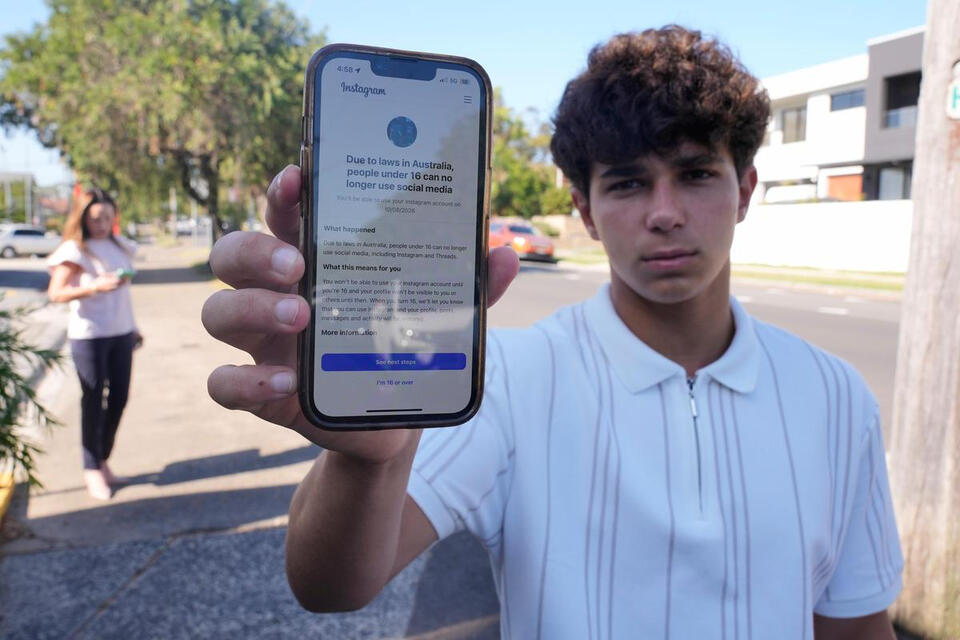
It happened quietly at first.One early morning headline, a flurry of news alerts, a few impassioned statements from Canberra and suddenly, Australia became the first country in the world to outright block teens and kids from using major social media platforms. For years, people joked about how young people were on TikTok, how pre-teens on Instagram looked older than their parents, and how Snapchat had practically become a rite of passage at age twelve. But nobody really thought a blanket ban would happen this soon, or this decisively.Then it did.In the days since the law took effect, you might have noticed something strange happening. Many parents cheered. Schools scrambled to update guidelines. Teens bragged online about sneaking past age gates. And marketers, particularly those whose bread and butter relied on youth audiences, froze mid-campaign, wondering how the ground shifted so drastically beneath their feet.
Are You Sure That’s Real? Why AI Content Keeps Fooling Us

In 1964, US Supreme Court Justice Potter Stewart delivered one of the most famously ambiguous lines in legal history. Confronted with the impossibility of defining obscenity, he admitted defeat with a shrugging kind of honesty: "I know it when I see it." The phrase was celebrated because it captured an intuitive truth. Humans, it implied, simply know. We have instincts. We have experience. We have a gut feel for what's real and what isn't.Fast-forward to the 2020s, and that quiet confidence is beginning to look dangerously naïve. Artificial intelligence now generates images convincing enough to win photography competitions, voices indistinguishable from real people, videos that fabricate convincing events, and prose that reads like the work of seasoned professionals. The line between authentic and artificial is no longer drawn by the eye or ear alone.And yet, many of us still cling to Stewart's instinctive standard that we can tell the difference. But the body of research tells a different, more uncomfortable story: for most forms of AI-generated content, the average person performs only slightly better than chance when asked to identify what's real. In other words, our once-reliable instincts are rapidly becoming outdated tools in a world where synthetic media is improving at a pace we can't match.
The Brutal Truth: How Employers Mask Ageism in the Workplace
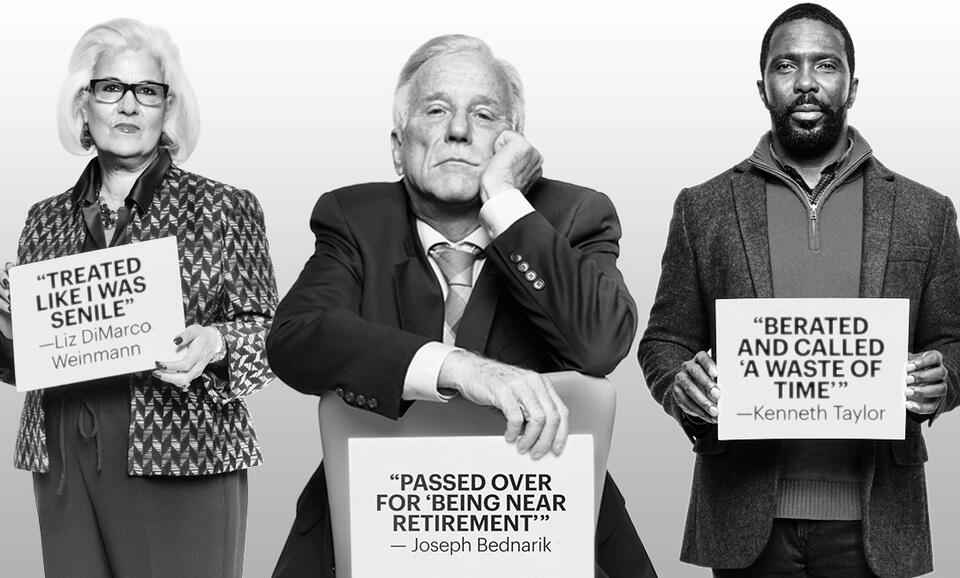
You've probably seen it happen before. Maybe you watched it unfold from across the office. Maybe it happened to someone you admired. Or maybe, quietly, you fear it might someday happen to you.A colleague in their forties or fifties suddenly gets sidelined.A senior team member gets left out of a "strategic" new project.A long-time employee gets pushed into early retirement with a smile and a handshake that doesn’t quite mask the discomfort.Everyone calls it "restructuring."
Or "realigning the organization."
Or "making room for fresh ideas."But you can feel what's really happening. Whatever euphemism or wordplay, you can smell the corporate BS from miles away.It's ageism. And it's far more common and far more subtle than most people want to admit.The World Health Organization estimates that one in every two people holds ageist attitudes, making age bias one of the most normalized forms of discrimination in modern society.And the workplace? It’s one of the places where it hides best. According to AARP, 78% of workers aged 50 and above have either seen or experienced age discrimination, yet only a fraction speak up.Why? Because ageism today rarely announces itself with outright hostility. It's quieter. Softer. Often carefully camouflaged in the language of efficiency, innovation, culture, and strategy.